
Doubled down: The changing economics of growth, brands and work
And we are back. Six weeks into 2026 and the vibes are low. The end of 2025 felt like a collective sigh; people finally loosened their grip on a wheel they’d been holding tighter than ever. The world feels exhausted as it sits at the intersection of a future that is not fully formed and a current reality that is failing to meet the expectations of many and, dare I say, the values of most. Over the past twenty years, we at TC have seen what we call ‘the doubling’: double-income families, a doubled stock market, and housing prices doubling as homes became financial assets. The effect has been profound. Society is splitting into those with assets and those without, and social cohesion is straining under the weight.
This is what happens when the cost of living rises faster than the hours you’re paid for in a day. It’s also what an optimised world looks and feels like. Every hour of the day is needed not to get ahead, but just to stay in the race. No wonder the world feels like it is sitting on a powder keg waiting to ignite. We work too much, we consume too much and life is too expensive.
After doing my own version of escaping reality to watch my beloved Oilers play hockey in the North America’s northernmost metropolis, I did our annual retail audit in some less than luxe neighbourhoods throughout LA, Vancouver and Dallas. Climbing through the polar vortex that had descended upon the States (Canada’s revenge for Trump tariffs), it feels beyond troubled. It simply feels broken. It feels like a society one mis-ordered Frappuccino away from eating itself. ICE agents rounding up people, Uber drivers scared to talk openly due to the new cameras that monitor their every move, and Waymo vehicles doing exactly 100 km/h down a freeway with no one at the wheel.
The future is here and I don’t believe it was what was promised. America feels like a country consumed by rent seeking, a service economy that no longer serves its people and a society that has finally cracked under its own cruel blend of inequality and individualism. We should not see ourselves as superior in any way. We are all on the same track, but America has gotten there first. Australia feels divided but less so and along different fault lines. We should not view what is happening in the States as a place for quick judgement, rather it is a portent of our own near future.
Value capture
While the debate is broken into a battle between left and right ideology, the real villains are hiding in plain sight. Who took the future? There are at least seven. We are locked into the platforms that run our lives and we can’t escape. To me the ultimate jumping the shark moment was Scott Galloway recently suggesting he is boycotting big tech by swapping Uber Black for leasing a Range Rover. Let that sink in for a minute. While it is a very out of touch solution his point is not wrong. It is cheaper to lease a physical good than extensively make use of a service through a platform. That is basically the opposite of where Uber started and what it promised. If you forget, it was to make town cars more affordable to all and allow their drivers to make more money.
The cost of the ‘tech stack’ is now the consideration to doing, building or changing anything. Like store shelves before it the cost of the technology having been raised so quickly is now one of the biggest barriers to those wanting to start a business. To compete today, a brand needs more than just a good product; it needs sophisticated AI integration, data analytics, and a massive social media presence. Small, independent brands often cannot afford the tech stack required to stay visible as they realise they need to scale.
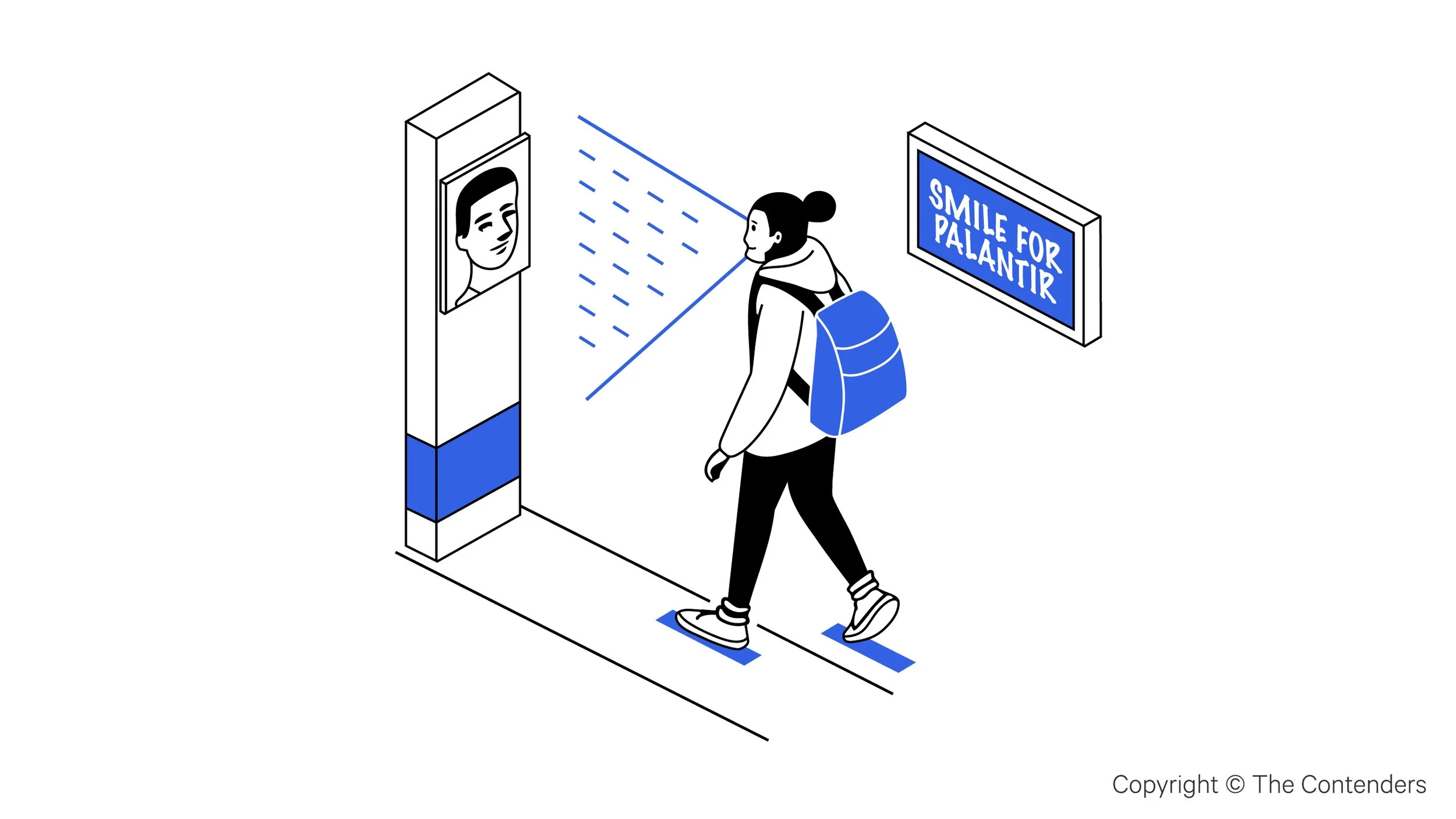
Our economy is broadly tracking okay, but the profits are not. They are ending up consolidated in platform monopolies Like Amazon and Meta, technology monopolies like Nvidia, IP monopolies like Pfizer, and licensed monopolies like Transurban and Comm Bank. Profit season now mimics the same K shape we see in our societies as a whole. Freed from competitive pressures from regulators, monopolies can value capture as Peter Thiel long ago predicted they would. Amazon now roughly captures 50% of every sale it makes. Transurban’s operating margins are 78%. Both would make the Mafia jealous. Peter is still at it, and his new monopoly will be Palantir which will end up sitting on all the data and analytics of the upcoming surveillance boom. If you have travelled overseas, they already have your face and your biometrics.
Affordability is driving new decisions and norms
Wandering around North America through a series of suburbs and service roads they tell the story under the headlines. You can get the full picture from our upcoming Retail Round Up Webinar (sign up here) but Aldi has replaced Walmart as the fastest growing grocery retailer, Dollar Stores are the preferred place for general merchandise, food trucks are replacing full-service restaurants and thrift stores are pivoting from uni students to working families.
This is all linked to the above. The middle class have not captured the value as well as the platforms they use. Life is more expensive and most are less well off. The companies on the right side of the K have benefited from the doubling effect as well. While technology margins have doubled inflation, people’s wages have not.
Will it change and if so, how? Will they be broken up, as we saw with oil barons and utility companies before them? I hope so, as without it the AI revolution will only see old software like Gmail eaten by new software like Gemini but still owned in full by our current technology overlords. While we all often get blamed for our lack of productivity growth it is hard to solve without recapturing some of this value back, and putting it into the hands of consumers rather than companies. The value lost to the platforms is directly related to our affordability crisis, and the worst is yet to come as the spend on AI by companies is budgeted for by reallocating the salaries of people who no longer work there.
In our new world marketing is simply less valuable
This lack of innovation and growth in the economy directly affects our chosen profession. We are currently in a stasis, where there is less incentive to start a new brand than ever before. Technology has become a barrier to startups rather than the enabler it was twenty years ago. AI will only make this worse, as you need an LLM and compute to compete. This combined with the fact that 99% of new brands fail; the rise of retail-controlled brands; and the portfolio work done by most global companies, means there are simply less brands in the world that need looking after by marketers. No wonder personal branding seems like a growth industry. It is easier to turn yourself into a brand than it is to start one (still not sure the success rates are any different).
The problem will get worse before it gets better. According to PwC’s 2026 Global M&A Outlook, deal values in consumer markets rose by 41% in 2025, even though the number of deals stayed flat. This indicates that larger corporations are spending more to buy up already established competitors and niche brands rather than growing their own. It is easier to buy innovation than to create it, if you decide to innovate at all.
Marketing has less scope
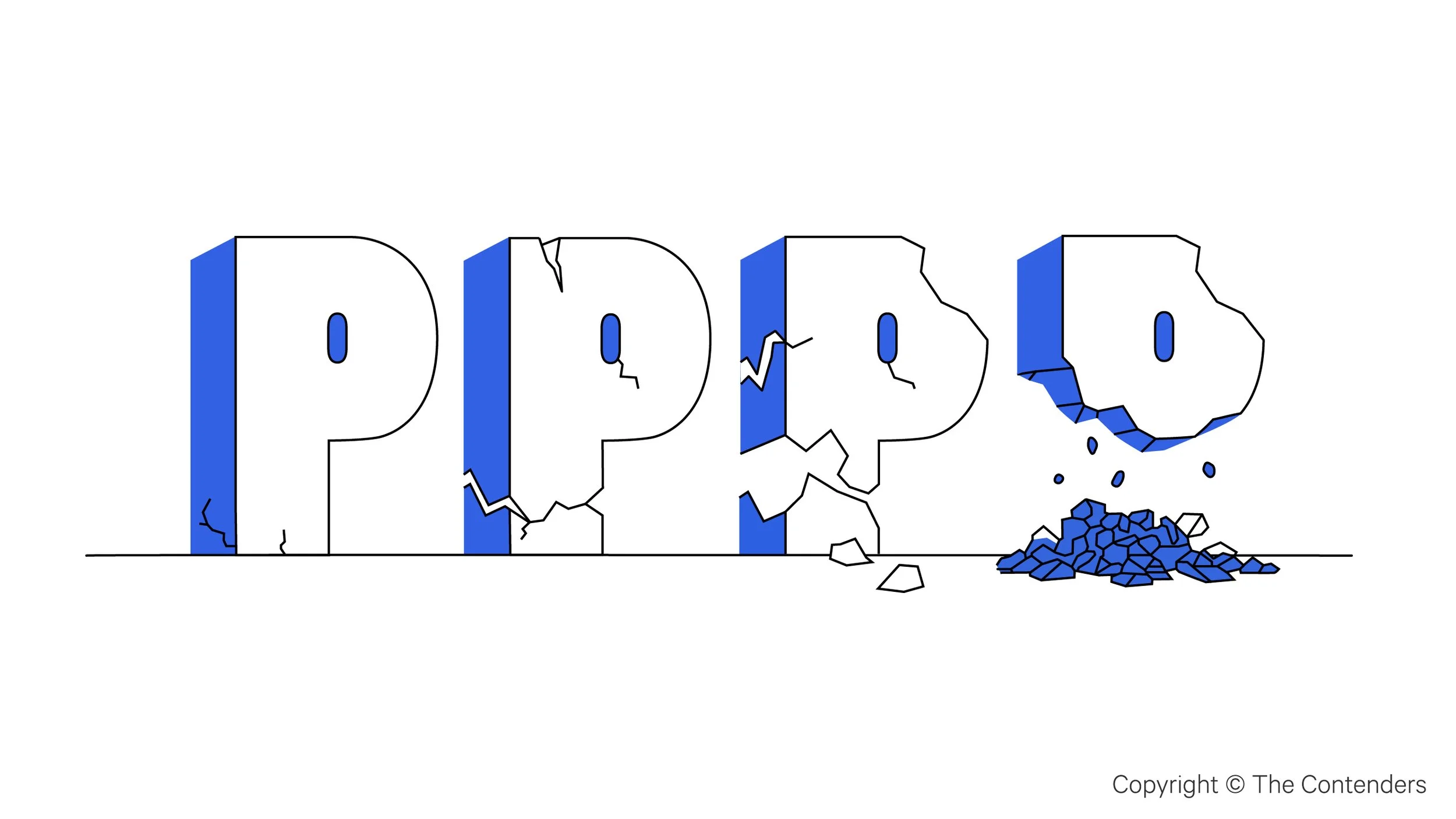
Marketing as a discipline was developed to manage the Ps of marketing through another P: talented professionals. Market fit was achieved through using these levers to successfully position a brand inside its category and find a unique way to deliver against the drivers of preference. Done well it is still this, but it is less likely to be done by marketers. The state of marketing today is that most of these levers are done by other parts of the organisation.
We used to help build the product, we helped to develop the pricing to reinforce the positioning and helped to shape the path to market. Pricing is now set dynamically based on what the market will bear, product sits within merchandise and distribution strategy has moved to sales or over to the web team. This has meant that for most marketers, you are left holding full control of one remaining P – promotion. They are now coming for this. In my mind this all started with the digitalisation and financialisation of media. Once buys became grounded in arbitrage it became a data skill and much less magical. While many think of marketing as promotion, I would argue that this part is now also being taken away through the integration of AI into the marketing technology stack. The science side of marketing is simply better done by machines, and it takes less people to do the art. The science also tells us to do this less frequently.
The ultimate own goal
In the race to replace humans with synthetic ones we are missing the biggest societal trend outside of technology. Our demographic time bomb. The silver tsunami will see more people retire in the next ten years than are entering the workforce. The technology being unleashed is powerful, but it will not replace people. In the haste to adopt (and let’s be frank to justify the investment) firms are busy cutting off their biggest point of competitive advantage: human capital. As the in-vogue, do-it-all brand manager of today retires, in five to ten years there will be no one left to drive the AI Car.
We will all be worse off for it as judgement is the ultimate talent that separates an adventure from a misadventure. The best strategy might be not to say, ‘let them eat cake,’ but rather, ‘I like cake, and I’d like to eat it too.’ Doubling down on people and technology will prove to be the smartest strategy in the end.
—
Be better to each other.